Stone & Memory
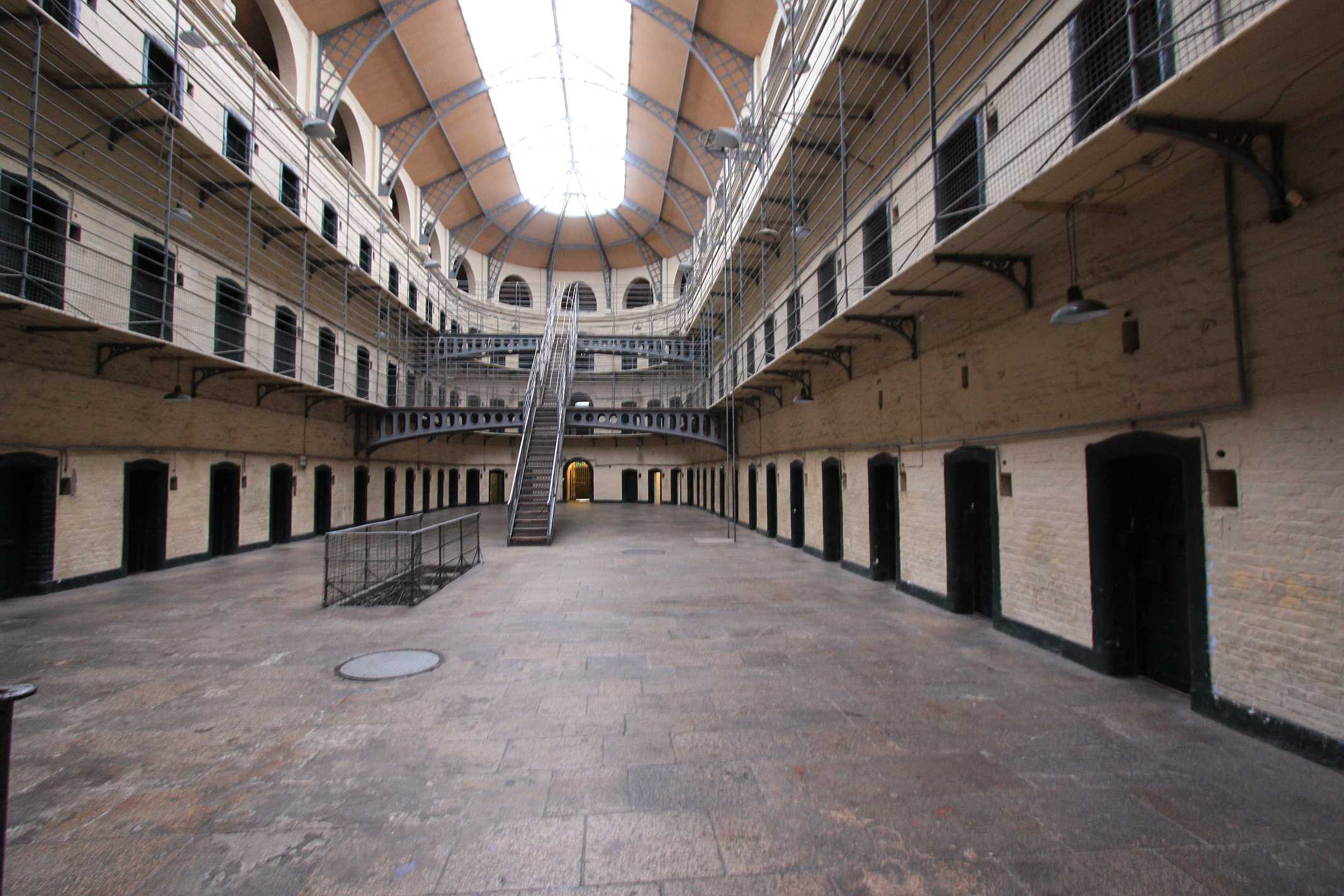
The iron balconies and vaulted skylight of Kilmainham Gaol’s East Wing

Kilmainham Gaol · Dublin

Inside the walls

Follow the rooms and records of a county gaol that became part of Ireland’s public memory.

Explore the gaol

Architecture

Read the building

A narrow passage and a hall flooded with daylight can tell very different stories about what a prison was meant to do.

The West Wing

When Kilmainham opened as Dublin’s county gaol in 1796, two wings flanked a central block. The West Wing preserves the enclosed corridors of the older building. During the Great Famine, this part of the gaol held some people imprisoned for stealing food or for offences under vagrancy laws.

The East Wing

The Victorian rebuild set the cells around a single tall hall. From below, staff could look up across several tiers of doors. The skylight and open iron galleries made the prison brighter while giving the staff a clearer view.

The Stonebreakers’ Yard

This enclosed yard is where fourteen leaders of the Easter Rising were executed in 1916. It survives as part of the museum and is closely associated with the memory of those events.

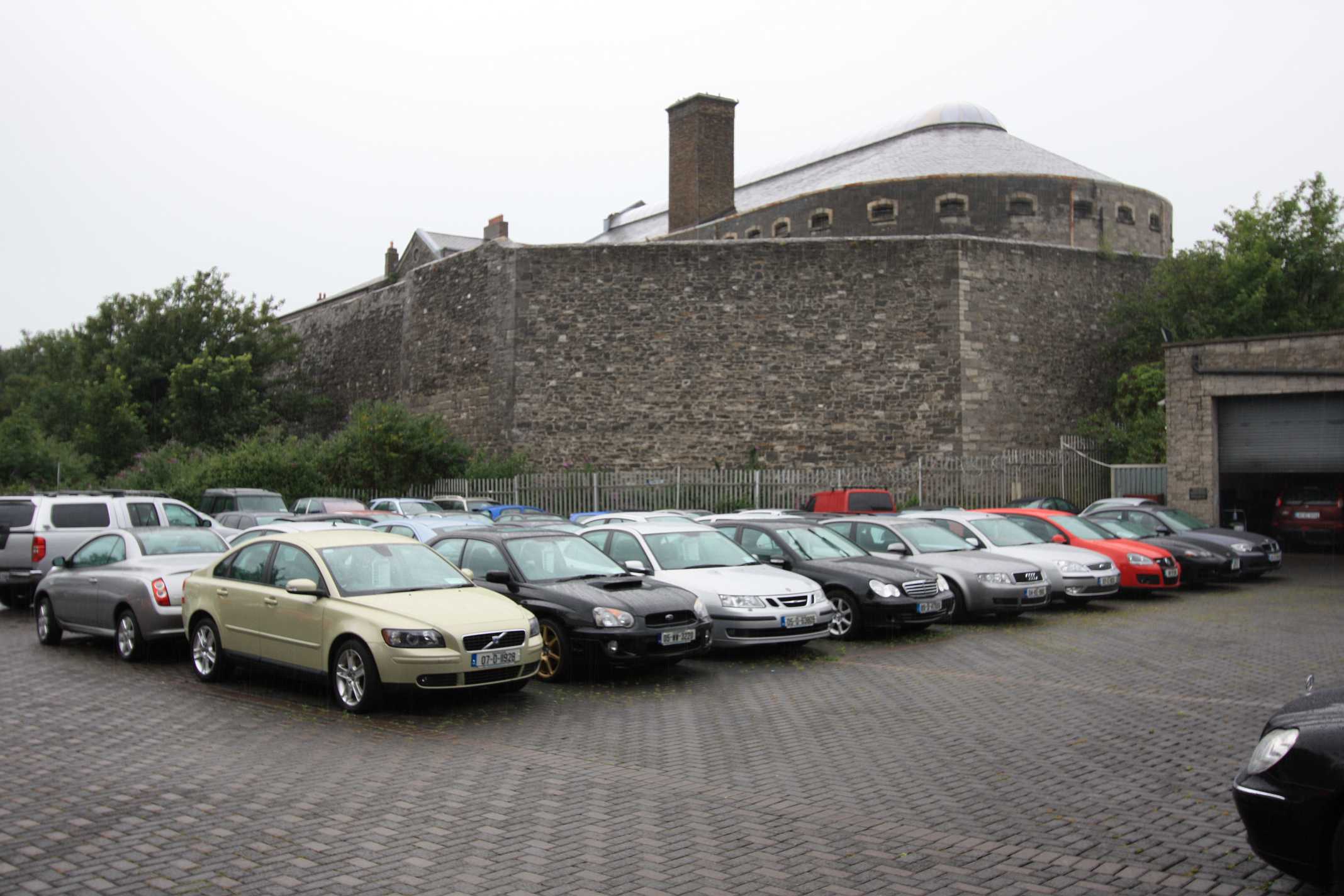
Stone perimeter wall and exterior of the East Wing at Kilmainham Gaol
The east wing and outer wall of Kilmainham Gaol.

Social history

Who passed through?

The gaol held people whose names appear in national histories, alongside thousands whose stories survive in prison records.

Ordinary prisoners

Most people held at Kilmainham were serving sentences for ordinary offences. Men, women and children appear in the gaol’s history, and records from the famine years show how hunger and poverty could bring people into contact with the prison system.

Political prisoners

The gaol’s political history stretches from the era of the United Irishmen to the Irish Civil War. The imprisonment and executions that followed the Easter Rising mark one of its best-known chapters.

Volunteer restorers

After the final prisoners left in 1924, the building stood empty. In 1960, volunteers began restoring it. In 1966, President Éamon de Valera opened the museum in the East Wing.
Further reading

Follow the records

The museum’s records and collections let you follow the story beyond the building.

Photography credits

East Wing photograph and exterior photograph by Nol Aders, via Wikimedia Commons. Images are cropped in the layout. CC BY-SA 3.0.